

Latest
The Sustainable Development Goals in Albania
The Sustainable Development Goals are a global call to action to end poverty, protect the earth’s environment and climate, and ensure that people everywhere can enjoy peace and prosperity. Learn how 19 UN Agencies work together to support Albania’s achievement of the SDGs. Click on any SDG icon below:
Story
06 January 2026
Albania’s Legal Aid Directorate Pushes to Close Gaps in Access to Justice for Refugees and Asylum-Seekers in Partnership with the European Union and UNHCR
TIRANA — When Albania established its Free Legal Aid Directorate in 2020, it marked a major shift toward guaranteeing state-funded legal assistance for those unable to afford it. Five years later, the institution has expanded from two to 20 legal aid centres across the country, providing thousands of people in Albania with essential legal support every year. Yet as Director General Patricia Pogaçe explains, one group remains almost entirely unable to benefit: refugees and asylum-seekers.During an interview in Tirana, Pogaçe reflected on how the 2020 legal aid reform “reformed the whole scheme of free legal aid guaranteed by the state,” introducing a clear system of primary and secondary legal aid while expanding eligibility to 12 special categories of vulnerable groups, including survivors of domestic violence, trafficking victims, minors in conflict with the law, and persons with disabilities. These groups are exempt from many documentation and procedural requirements, a provision that recognizes both the challenges they face in obtaining documentation and the need for timely access to legal aid.But despite legal provisions affirming the right of refugees and asylum-seekers to free legal assistance, they are not included in these special categories. This omission forces them to pass through eligibility filters that they are structurally unable to meet. They must present documentation proving they have no income or that they fall under a special category—documents they often lack due to displacement, the urgency of flight, and, in some cases, the requirement to produce records issued by their country of origin.“The law states that refugees and asylum-seekers can benefit from primary legal services, but not automatically,” Pogaçe said. “De facto, it is impossible for them to get secondary legal aid nowadays.” Courts, which must approve secondary legal aid, routinely reject applications that lack full documentation. As a result, not a single refugee or asylum-seeker has received state-funded secondary legal representation. Their only access to counsel has been through specialised NGOs operating outside the state scheme. It is precisely this structural exclusion that the consultancy led by UNHCR, with support from the European Union, aims to address. The collaboration is designed to help the Directorate identify legal gaps, map practical obstacles, and prepare concrete proposals for amending the legal framework so that refugees and asylum-seekers can receive legal aid automatically, just like other vulnerable groups. Pogaçe described the initiative as “very helpful for us to have simplified, clarifying procedures on how to give primary and secondary legal aid for these categories based on different examples of EU member states.”The consultancy has been deeply consultative, involving legal aid providers across Albania who consistently reported similar challenges: the absence of translation services, limited technical knowledge of asylum procedures, difficulty detecting cases involving trauma or trafficking, and uncertainty around verifying refugee status. Pogaçe acknowledged that legal aid providers “haven’t learned this field in school,” underscoring the urgent need for sustained capacity-building. The EU-UNHCR-supported work is expected to outline a comprehensive training pathway for both primary and secondary legal aid providers. Albania’s efforts to strengthen its legal aid system are closely monitored within the EU accession process, where access to justice and non-discrimination remain critical benchmarks. The European Commission has already highlighted the country’s expanding legal aid system as a reform success story, and this progress has become part of Albania’s broader integration priorities, reflected in the National Strategy for Integration under the access to justice component. But Pogaçe stressed that the next phase must focus on quality and inclusiveness: “Our main objective now is to ensure that every citizen and every category receive efficient and specialised legal aid.”With the support of UNHCR and the European Union, the Directorate is preparing a package of legal amendments that will not only address the exclusion of refugees but also streamline procedures that have proved cumbersome over the past five years. Better institutional coordination, especially with bodies overseeing asylum and civil documentation, is also emerging as a priority.Despite more than 500 outreach activities conducted by the Directorate this year, Pogaçe admits that public awareness of free legal aid remains low. Centres now work under monthly case-reach targets, prompting more proactive community engagement. In 2025, the Directorate assisted 5,673 people, and this number is expected to rise as reforms take hold.For Pogaçe, who has been part of the institution since its creation, the work is not merely administrative. Having previously worked directly with survivors of domestic violence, she describes legal aid as both a professional and moral obligation. The anticipated legal reforms, driven in part by the UNHCR–EU consultancy, are, in her view, essential to ensuring that Albania’s justice system reflects its European aspirations and moral commitments.As the country moves steadily along the path to EU integration, Pogaçe hopes the legal aid framework will evolve to guarantee equal access to justice for all, including the refugees and asylum-seekers who arrive at Albania’s borders seeking safety and a chance to rebuild their lives.
1 of 5

Press Release
16 December 2025
Albania launches the 2025 Country Gender Equality Profile: Progress made but problems persist for women and girls
The report - funded by the EU and produced in close collaboration with public institutions, civil society and academia - provides evidence of recent achievements and remaining challenges faced by women and girls across key areas.The Country Profile shows that Albania has made progress in strengthening its legal and policy framework on gender equality, in accordance with global commitments and EU requirements. Implementation of laws and policies however remains uneven, leaving many women behind. Women in Albania continue to face barriers in accessing economic opportunities and are victims of several forms of violence. The event was attended by high level officials UN Resident Coordinator Ingrid Macdonald, EU Ambassador Silvio Gonzato and Minister of Health and Social Welfare Evis Sala, who at a panel discussed the findings of the report. The United Nations Resident Coordinator in Albania, Ingrid Macdonald highlighted the urgency of moving from commitments to concrete action:"The Country Gender Equality Profile for Albania shows that whilst there are strong commitments, too many women and girls still face critical barriers that limit their rights and choices, which in turn undermines the country’s overall social and economic progress. So today is a pivotal moment for collective action to get gender equality on track. If we want Albania to accelerate sustainable development, and benefit from the EU reforms, it is imperative to invest in the systems and services that promote and empower women and men, boys and girls equally.” EU Ambassador Silvio Gonzato stressed that gender equality is fundamental to Albania’s future and its EU aspirations: “Gender-based violence is a serious human rights issue in Albania. The right to live free from violence is a fundamental human right and an essential component of Albania’s EU accession negotiation process. To achieve real change in society, we need an effective implementation of the new laws and the creation of an efficient and supportive system for victims. We must also join forces to change mindsets that tolerate violent behaviour and stigmatise victims, so that women and girls can feel safe and protected in Albania.” Minister of Health and Social Welfare, prof. Evis Sala emphasized the central role of recent legislative reforms in strengthening Albania’s response to gender inequality and ensuring equitable protection and opportunities for all women and girls.Minister of Health and Social Welfare:"The new Law on Gender Equality and the implementation of the National Strategy for Gender Equality 2021–2030, together with gender-responsive budgeting, which now accounts for 10% of the national budget, demonstrate that Albania is transforming gender equality from a principle into concrete policy"The Country Profile underscores that increased investments for the implementation of the new Gender Equality Law, and the upcoming Law on Violence Against Women and Girls and Domestic Violence are essential to close gaps. To address these issues, the report includes several recommendations, such as for example: strengthening institutional capacity to address violence against women, improving data and evidence on gender equality, investing in services that reduce and redistribute unpaid care work, promoting women active contributions to the economy and to decision making at the local level. The Country Gender Equality Profile is an important tool for broader, coordinated efforts to advance gender equality in Albania. As the country moves closer to EU accession, the Profile offers a roadmap for aligning policies and legislation to EU gender equality standards, and for accelerated action on SDG 5 - the global goal on gender equality - so that every woman and girl living in Albania can fully realise their rights and potential.Key figures at a glance: https://albania.unwomen.org/sites/default/files/2025-12/cgep_infographic_eng.pdf
1 of 5
Press Release
23 December 2025
UNHCR and Mediterranean University of Albania Formalise Academic and Research Cooperation on Refugee Protection
Tirana, Albania – UNHCR, the UN Refugee Agency, and the Mediterranean University of Albania have signed a Memorandum of Understanding (MoU) establishing a framework for cooperation in research, education, training, and knowledge exchange related to refugee protection, asylum, and statelessness. The MoU recognises the Parties’ mutual interests in research, development, education, training, and the dissemination of knowledge, and provides a framework for joint participation in projects and initiatives of shared interest. Through this agreement, the Mediterranean University of Albania joins UNHCR’s network of institutional partners contributing to academic engagement and learning on refugee protection.Cooperation under the MoU includes the development of joint projects, research initiatives, seminars, workshops, webinars, and other academic activities. It also foresees the reciprocal exchange of information and resources, including research materials, publications, textbooks, and professional references.The partnership further allows for cooperation in organising legal clinics or academic courses for students, with the aim of strengthening their knowledge and capacities in international refugee law and related principles applicable to asylum-seekers and refugees.At the signing ceremony, Toshitsuki Kawauchi, UNHCR Representative in Albania, highlighted the value of academic collaboration in advancing understanding of refugee protection. “Academic institutions play an important role in research, education, and dialogue on refugee protection and international law. This agreement formalises our cooperation with the Mediterranean University of Albania in these areas,” the Representative said. Prof. Dr. Adrian Civici, Rector of the Mediterranean University of Albania, underlined the university’s role in education and social engagement. “This cooperation provides a structured framework for engaging students and academic staff in learning and research related to refugee protection and international legal principles,” the Rector said.Through this framework agreement, UNHCR and the Mediterranean University of Albania aim to strengthen academic cooperation and knowledge dissemination related to refugee protection, asylum, and statelessness in Albania.
1 of 5
Story
27 January 2026
FAO Farmer Field Schools train Albanian olive growers
Olive growers in the Municipality of Belsh, Albania, are strengthening their skills and practices through the expansion of the Food and Agriculture Organization of the United Nation’s (FAO) Farmer Field School approach, supporting a more sustainable and competitive olive oil value chain.At the heart of the initiative is the Farmer Field School model, a practical, farmer-led learning approach in which producers learn side by side in their own fields. By observing, experimenting and sharing their experiences, farmers develop solutions grounded in local realities, turning sustainability into a practical tool for better yields, quality and market access.Focused on strengthening the olive oil value chain in Belsh, the initiative equips olive growers, processors and local stakeholders with hands-on knowledge in good agricultural practices, quality control and environmental sustainability. The work on olives builds on FAO’s earlier value chain development efforts in the greenhouse vegetable sector, expanding lessons learned into a new and strategic crop for the area. By aligning local production practices with European Union standards, FAO aims to strengthen the environmental resilience and market readiness of Belsh’s olive oil production.Engaging local partnersIn early October, FAO brought together farmers, olive processors, the Olive Producers’ Association, municipal representatives and financial institutions for a multistakeholder consultation in Belsh. The discussion helped participants map the olive value chain, identify key bottlenecks and agree on training priorities. Participants highlighted challenges such as irrigation shortages, gaps in quality control and storage practices, limited access to finance and technology, and the prevalence of informal markets. Many olive groves, typically 12–15 years old and located in hilly areas, require intensive and well-equipped field management. The lack of routine soil and olive oil testing also was identified as a major factor affecting oil quality and farmers’ incomes.“Working directly with farmers and processors allows us to design truly targeted interventions that help the olive value chain make a quality leap, treating sustainability not as a cost but as an investment to access higher-value markets,” said Lorena Pullumbi, Assistant FAO Representative in Albania.From priorities to practiceBuilding on the consultation outcomes, FAO worked with national and international experts to translate local needs into a tailored Farmer Field School programme for olive cultivation. This process led to the launch of the first training session in mid-November, focusing on soil management and olive tree nutrition. Running through April 2026, the programme follows a seasonal learning pathway shaped by farmers’ priorities. It covers soil health, pruning, the establishment of new groves, harvesting and processing, integrated pest management and efficient irrigation.Learning in the olive grovesIn the Farmer Field School approach, learning happens where decisions matter most – in the olive groves themselves. Farmers apply new techniques directly in their fields, guided by FAO experts. They observe results over time and compare experiences through peer learning. “Learning about proper soil analysis and pruning techniques will directly improve our yields and the health of our trees,” said Aldo Jolla, an olive grower participating in the training.Learning alongside each other, farmers turn shared experience into practical solutions that strengthen sustainability, productivity and profitability across the value chain.Looking aheadThrough the Business4SDGs project, FAO continues to foster farmer engagement, peer learning and stronger institutional linkages, supporting olive growers in meeting European Union market requirements while building resilience to environmental pressures.“The Farmer Field School is helping our farmers adopt better, more sustainable practices and strengthen the resilience of Belsh’s olive-growing community,” said Aranit Duka, Director of Agriculture for the Municipality of Belsh.Lessons from the Belsh experience will inform future Farmer Field School cycles, starting with the next value chain season in January 2026. By turning sustainability into action – through better practices, stronger local capacities and clearer links to higher-value markets – FAO and its partners are positioning Belsh as a model for environmentally and economically resilient olive production.The activity is implemented under the joint United Nations Business, Partnerships and Solutions for Sustainable Development Goals II (B4SDG II) project, involving collaboration among FAO, the United Nations Development Programme, the United Nations Industrial Development Organization and the International Labour Organization, with financial support from the Government of Sweden through the Joint SDG Fund.
1 of 5

Story
19 May 2025
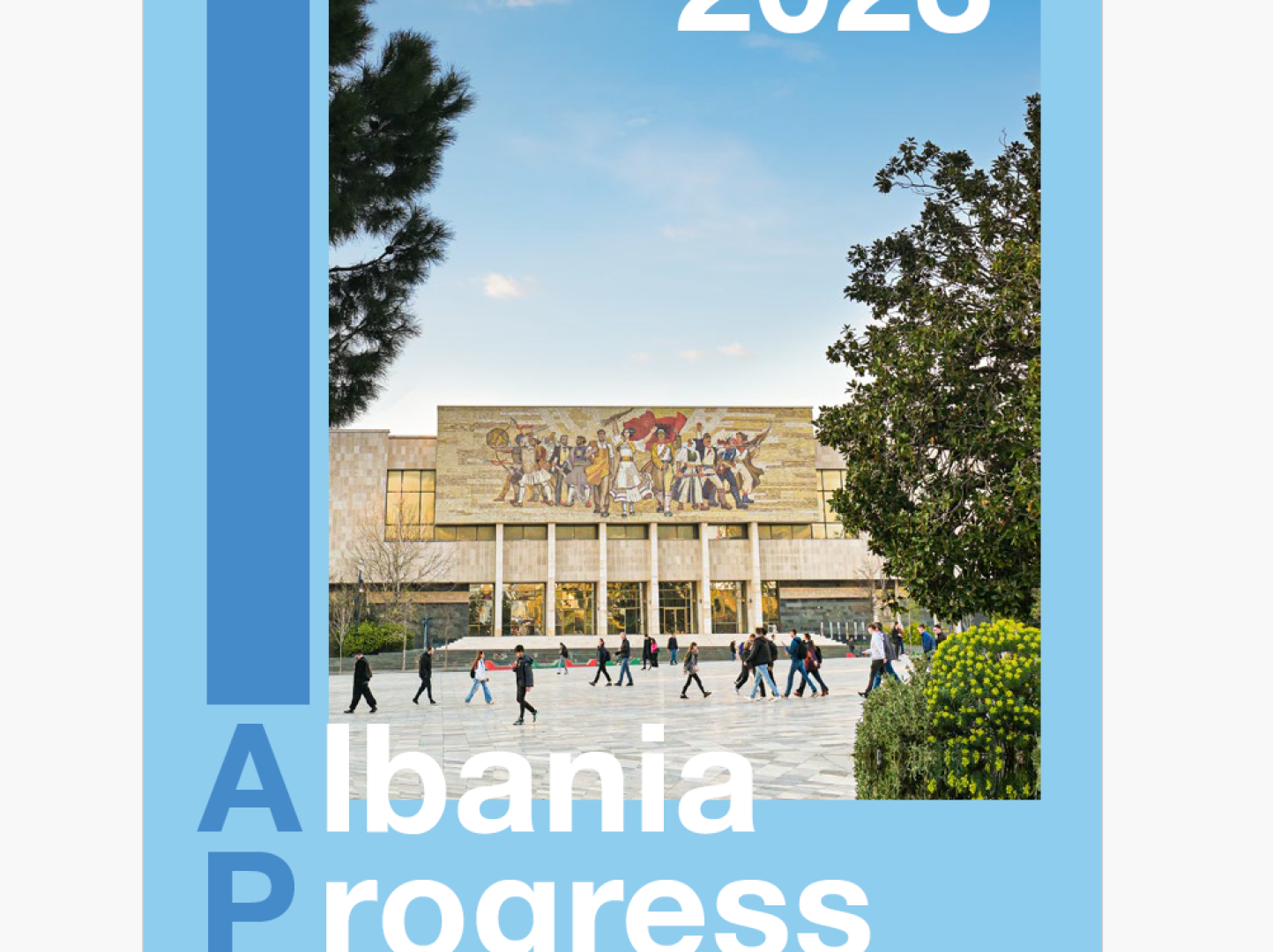
The 2024 Albania Progress Report of the United Nations in Albania Published
Dear partners and friends,We are pleased to present the 2024 Albania Progress Report of the United Nations in Albania (click here to access a web based version of the report). The report highlights the collective achievements in advancing the country’s journey toward the 2030 Agenda for Sustainable Development and its integration into the European Union. These efforts are guided by the Government of Albania–UN Sustainable Development Cooperation Framework (UNSDCF) 2022–2026.The accomplishments showcased in this report reflect the critical role that partnerships play in ensuring the successful implementation of the Framework, with strong and ongoing collaboration among the UN, government, the private sector, civil society, academia, and international partners. Their combined efforts have been essential to achieving these successes.Significant achievements include two transformative joint programmes financed by the Sustainable Development Goal Fund: Digital Agriculture and Rural Transformation (DART) and Lifelong Empowerment and Protection in Albania. Meanwhile, the country’s first National SDG Roadmap was successfully created, with other initiatives such as the Women Entrepreneurship Expo aiming to foster an inclusive business environment, with six companies joining the UN Global Compact and 38 pledging support for the Women’s Empowerment Principles.Our support for building the country’s human capital focuses on effectively implementing reforms in social care, education, and healthcare. Albania’s participation in the Global Accelerator on Jobs and Social Protection for Just Transition underscores its commitment to advancing labour policies, social welfare, and inclusive measures for vulnerable groups. Adoption of the Social Protection Strategy (2024–2030) and the Social Inclusion Policy (2024-2028) lays the foundation for enhanced services and the inclusion of vulnerable groups of the population. Repair and reconstruction of 66 education facilities damaged by the 2019 earthquake benefited more than 24,000 students, and training was provided for more than 1,300 teachers in inclusive education and digital learning. Investments include the establishment of 47 IT labs, 107 science laboratories, 56 psychological–nursery rooms, and 66 sports fields and gyms. Primary healthcare advancement, emergency preparedness, and effective public health management are central to Albania’s health strategy. A transparency portal and a GIS platform aim to improve planning and address infrastructure needs, while vaccination, child nutrition monitoring, and emergency preparedness have been improved.Green growth and efforts to combat climate change have driven progress in climate-smart agriculture, vocational education, and digital transformation. Employment and skills development initiatives reached thousands of individuals, while work on the green and blue economies saw gender integration in tourism, and the revitalization of Albania’s cultural heritage, with 18 cultural sites benefiting from restoration and upgraded facilities. Implementation of the groundbreaking DART aims to leverage digitalization to advance sustainability goals with systemic interventions aimed particularly at smallholder farmers. The country also advanced in fulfilling its commitments under the Montreal Protocol by implementing systems to phase out ozone-depleting substances and adopting low-global-warming technologies. Albania made progress in governance and human rights, underpinned by key policy changes and strategic interventions. The country is improving access to justice, particularly for marginalized populations. Ongoing investments in legal aid, judicial efficiency, and a child-centred approach to justice are creating a more inclusive and responsive legal system. The implementation roadmap of the Convention on the Elimination of All Forms of Discrimination against Women, and the National Migration Strategy 2024–2030, is supporting the alignment of national laws with international human rights standards. Additionally, the finalization of the Population and Housing Census 2023 is a significant achievement enabling detailed analysis of trends, disparities, and needs across the population. Gender equality in Albania has been supported by a robust legal framework and improvements in key indices. The country has made notable progress in advancing gender equality and addressing violence against women and children. Support from the UN enhanced services for survivors of domestic violence, trafficking, and other forms of abuse, providing both immediate assistance and long-term empowerment for women and children from vulnerable groups. Gender-responsive budgeting has become an integral part of Albania’s financial planning. As a result, 59 per cent of budgetary programmes for 2025 now incorporate gender-specific objectives, driving more equitable resource distribution and policy implementation. Additionally, efforts to strengthen national gender equality mechanisms are bolstered by legal reforms.We extend our deepest appreciation to all our partners for their invaluable contributions and look forward to continuing our collaboration in 2025, working together to build a more resilient, inclusive, and sustainable Albania. We invite you to read our report and explore the progress made in Albania in 2024!
1 of 5

Story
08 March 2026
International Women’s Day: Eight Actions for A More Equal World
Over nearly a decade leading the United Nations, I have seen our world repeatedly tested – by climate shocks, deepening poverty, violent conflict and shrinking civic space. But I have also watched many solutions take root, and they shared one common denominator: women.As the world marks International Women’s Day, it is time to recognize that gender inequality is the greatest human rights challenge of our time – and advancing equality is one of the strongest drivers of sustainable development and peace.Here are eight actions drawn from my own experience, and inspired by the work of the UN system and civil society movements across the globe, to advance women’s rights and deliver results.1. Fix the Power GapGender equality is a question of power. But male-dominated institutions still shape our world. A rising tide of authoritarianism is deepening these inequalities, rolling back hard-won protections – from fair work practices to reproductive rights – and entrenching racial and gender biases that hold women back. Gender equality lifts societies. When power is shared, freedom expands.2. Make Parity a Priority Women are grossly under-represented in governments and boardrooms across the globe. At the United Nations, we set out to make gender parity a priority, starting with senior leadership. We did this by widening the search for qualified candidates, not by lowering standards. The UN is stronger for it, with an enhanced workplace culture and more inclusive decision-making. The lesson is clear. When institutions choose equality, results follow.3. Bet on the Highest-Return Investment Investment in women delivers outsized returns. Every dollar spent on girls’ education yields nearly triple the gains, while maternal health and family planning generate more than eightfold benefits. Policies that support families such as child care and elder care strengthen communities and unlock even more growth. Taken together, such steps lay the foundation for closing gender gaps – which can boost national income by as much as 20%.4. Make Room at the Peace TablePeace agreements are more durable when women take part in negotiating and implementing them. Yet in too many conflicts – including Gaza, Ukraine, and Sudan – women have been largely shut out of the room, even though they carry the heaviest burdens of war. At a time of rising instability, inclusion is not symbolic – it is a shortcut to stabilize our fractured world.5. End Legal Discrimination Worldwide, women hold only 64 per cent of the legal rights enjoyed by men. In too many places, they cannot own property, work freely, or seek a divorce. Even where protections exist, women face higher barriers to access legal aid or the courts. Every country must commit to dismantling discriminatory laws, and to enforcing rights in practice. 6. Zero Tolerance for Gender-Based Violence – and Zero ExcusesViolence against women is a global emergency, rooted in inequality and sustained by silence. Every woman and girl has the right to live free from fear. Yet gender-based violence – including sexual exploitation and abuse – remains a horrific breach of trust and humanity. We must confront it everywhere, with zero tolerance, full accountability, and unwavering support for survivors. 7. Code Out BiasWith women comprising just one in four tech workers, bias is being hardwired into the systems that shape daily lives. Meanwhile, misogyny is exploding online. Technology companies and governments must act together to build safe, inclusive digital spaces – and the world must do more to remove barriers for girls in science and technology.8. Put Gender in the Climate Plan Climate change is sexist. Women often eat last in food crises and endure greater danger in emergencies. Girls face higher risks of child marriage when livelihoods collapse. But women are also leading climate solutions – advancing green legislation, powering global movements, and driving change on the ground. A liveable planet demands gender-responsive climate policies, including equal access to green jobs, better protection in emergencies, and full participation in environmental decision-making.Across the globe, I have seen these eight solutions in action – in war zones and recovery efforts, parliaments and classrooms, organizations and communities.If leaders get serious about gender equality and commit to them now, we will change the world – for women and girls, and for us all.
1 of 5

Story
08 March 2026
International Women’s Day 2026: Rights. Justice. Action. For ALL Women and Girls
From the football field to the national policy stage in Albania, this year’s International Women’s Day reminded me that progress is real — but the work is far from done.
⚽𝗦𝗽𝗼𝗿𝘁 𝗲𝗺𝗽𝗼𝘄𝗲𝗿𝘀 𝘄𝗼𝗺𝗲𝗻 𝗮𝗻𝗱 𝗴𝗶𝗿𝗹𝘀
I joined the Women’s Mini Football Tournament organized by UN Women and the Albanian Football Association (FSHF - Federata Shqiptare e Futbollit). Teams from civil society, media, the diplomatic community, and the UN came together for friendly matches celebrating teamwork, solidarity, and leadership.
Beyond the impressive ball skills, the tournament showed how sport creates spaces for women and girls to gain confidence, visibility, and community. A special thanks to the professional female footballers who inspired everyone on the field.
⚖️ 𝗔𝗰𝗰𝗲𝘀𝘀 𝘁𝗼 𝗷𝘂𝘀𝘁𝗶𝗰𝗲 𝗳𝗼𝗿 𝘄𝗼𝗺𝗲𝗻 𝗮𝗻𝗱 𝗴𝗶𝗿𝗹𝘀
I also participated in the National Conference on Women’s Access to Justice, co-organized by the Ministry of Health and Social Protection of Albania, the Ministry of Justice of Albania, the Office of the Ombudsperson of Albania, the European Union, UN Women Albania, the Embassy of Sweden in Albania, and other partners.
As United Nations Secretary General António Guterres reminds us, gender inequality remains one of the greatest human rights challenges of our time — and the most transformative solutions all have one thing in common: women.
Together with 🇪🇺 Ambassador Silvio Gonzato and Deputy Director for UN Women Regional Office ECA Elisa Fernandez, we reflected on Albania’s progress in strengthening justice institutions and aligning laws with international standards and the EU acquis.
Yet evidence from the Albanian Femicide Observatory shows that many women still face barriers: lengthy court proceedings, limited legal aid, and gaps between legislation and implementation. Women in vulnerable situations — rural women, women with disabilities, and Roma and Egyptian women — face even greater obstacles.
I am grateful to all institutions, CSOs, UN colleagues, and partners working tirelessly toward this goal — and especially the frontline responders, community workers, and volunteers supporting women and girls every day.
The message of #IWD2026 is clear: progress requires persistence. Together, we must ensure every woman and girl can claim her rights, access justice, and live free from violence and discrimination.
⚽𝗦𝗽𝗼𝗿𝘁 𝗲𝗺𝗽𝗼𝘄𝗲𝗿𝘀 𝘄𝗼𝗺𝗲𝗻 𝗮𝗻𝗱 𝗴𝗶𝗿𝗹𝘀
I joined the Women’s Mini Football Tournament organized by UN Women and the Albanian Football Association (FSHF - Federata Shqiptare e Futbollit). Teams from civil society, media, the diplomatic community, and the UN came together for friendly matches celebrating teamwork, solidarity, and leadership.
Beyond the impressive ball skills, the tournament showed how sport creates spaces for women and girls to gain confidence, visibility, and community. A special thanks to the professional female footballers who inspired everyone on the field.
⚖️ 𝗔𝗰𝗰𝗲𝘀𝘀 𝘁𝗼 𝗷𝘂𝘀𝘁𝗶𝗰𝗲 𝗳𝗼𝗿 𝘄𝗼𝗺𝗲𝗻 𝗮𝗻𝗱 𝗴𝗶𝗿𝗹𝘀
I also participated in the National Conference on Women’s Access to Justice, co-organized by the Ministry of Health and Social Protection of Albania, the Ministry of Justice of Albania, the Office of the Ombudsperson of Albania, the European Union, UN Women Albania, the Embassy of Sweden in Albania, and other partners.
As United Nations Secretary General António Guterres reminds us, gender inequality remains one of the greatest human rights challenges of our time — and the most transformative solutions all have one thing in common: women.
Together with 🇪🇺 Ambassador Silvio Gonzato and Deputy Director for UN Women Regional Office ECA Elisa Fernandez, we reflected on Albania’s progress in strengthening justice institutions and aligning laws with international standards and the EU acquis.
Yet evidence from the Albanian Femicide Observatory shows that many women still face barriers: lengthy court proceedings, limited legal aid, and gaps between legislation and implementation. Women in vulnerable situations — rural women, women with disabilities, and Roma and Egyptian women — face even greater obstacles.
I am grateful to all institutions, CSOs, UN colleagues, and partners working tirelessly toward this goal — and especially the frontline responders, community workers, and volunteers supporting women and girls every day.
The message of #IWD2026 is clear: progress requires persistence. Together, we must ensure every woman and girl can claim her rights, access justice, and live free from violence and discrimination.
1 of 5

Story
03 March 2026
From Informal Work to Decent Jobs
A while ago, UNDP asked people across Albania a simple question: What does Social Justice Day mean to you? What is social justice, really? The answers were as diverse as the people who shared them. Some spoke about fairness in schools and streets. Others talked about ending poverty, or making sure everyone has access to education. A few described it as the right to be seen, heard, and valued, regardless of where you come from. Different words, different perspectives—but one shared truth emerged: social justice is about dignity, equal opportunity, and protection from vulnerability, so that no one is left to struggle alone in the shadows.That truth comes alive most clearly in the stories of women like Vjollca and Fabiola. On this International Day of Social Justice, their journeys remind us that social justice is not an abstract idea debated in conference rooms or reduced to numbers in a report. It is built slowly and deliberately—through skills, protection, emotional support, and the quiet determination to turn survival into security. Vjollca knows the kind that wears you down year after year. For a long time, she worked informally in Vora, cleaning homes and taking whatever work, she could find. There was no contract, no social insurance, no safety net. Like so many women in similar situations, her choices were limited. As a mother raising a young son, while also managing her own health challenges, economic insecurity was a constant presence in her life.Her turning point came in late 2025. Between October and November, Vjollca attended every session of a housekeeping training course offered by UNDP through the UN Joint Programme Lifelong Empowerment and Protection in Albania (LEAP), funded by the Joint SDG Fund. She often arrived hand in hand with her little boy, determined not to miss a single day.The training gave her professional skills as a cleaning specialist—but it offered much more than that. Through sessions on work ethics, labour rights, and emotional empowerment facilitated closely by the National Agency of Employment and Skills and a local NGO called “HAP” Network, Vjollca began to understand her own value as a worker and the importance of social insurance. She gained not only knowledge, but confidence. Today, she is formally employed and has social insurance She feels safer, more protected, and far more aware of her rights. Those who worked with her describe her as a woman of strong character, with eyes full of light—the kind that comes from someone who has endured hardship and still chooses to stand tall. A different, yet equally powerful journey unfolds in the story of Fabiola, a 35-year-old mother. After moving from a remote area of Tropoja to Shkodra, Fabiola found herself alone, divorced, and without family support. With little work experience and no stable income, she faced deep socio-economic hardship. In 2022, after experiencing domestic violence, she turned to the organization Gruaja tek Gruaja, where she received emergency shelter alongside psycho-social and legal support.Through an individualized reintegration plan, Fabiola’s interest in professional training and economic independence became clear. She was selected as one of 15 women to take part in a four-month vocational training programme on long-term care for older persons and persons with disabilities, delivered in partnership with the Public Vocational Training Centre in Shkodra. There, she gained both theoretical and practical skills—from psycho-emotional support and first aid to hygiene standards, medication management, and the use of assistive devices.After completing the programme and earning her certification as a long-term care assistant, Fabiola moved into a practical placement in social care institutions, supported by the project and the Municipality of Shkodra. She is now transitioning toward formal employment and is in line for inclusion in the municipality’s local employment programme for home-based care services—part of an integrated care model the project is helping to build. At the same time, she openly shares her experience through project outreach activities, inspiring other women to believe that change is possible.“The stories of Vjollca and Fabiola show what social justice looks like when social protection, skills development, and decent employment are woven together. By addressing both economic and emotional barriers—and by moving beyond short-term support—the LEAP programme, funded by the Joint SDG Fund, is helping women in vulnerable situations step into formal work, social security, and a renewed sense of dignity”-says Randi Davis, UNDP Resident Representative.Their journeys are part of a wider transformation. Across Albania, LEAP has supported more than 1,000 vulnerable individuals—primarily women, young people, and families receiving economic aid. In 2025 alone, 864 households accessed integrated social and employment services, while 357 women and young people moved into employment, many for the first time. Through pilot initiatives in six municipalities, the programme has also helped grow the care economy, with 93 women securing paid roles in long-term care—turning unpaid or informal caregiving into dignified, protected work.On this International Day of Social Justice, the stories of Vjollca, Fabiola, and so many others offer quiet but powerful proof: when vulnerability meets opportunity, integrated support, and belief in second chances, lives change—and communities grow stronger.Social justice wears a human face. It looks like Vjollca arriving at training with her son by her side. Like Fabiola earning her certification as a caregiver. Like 93 women stepping into paid care roles with rights and security.
It is not abstract—it is real, tangible, and transformative. Vulnerability becomes strength. Informal becomes formal. Survival becomes thriving. And when we keep investing in these bridges, we move closer to a world where dignity is not a privilege, but every woman’s birthright.###The UN Joint Programme Lifelong Empowerment and Protection in Albania (LEAP) is funded by the Joint SDG Fund and implemented by UNDP, UNICEF, UN Women and ILO.
It is not abstract—it is real, tangible, and transformative. Vulnerability becomes strength. Informal becomes formal. Survival becomes thriving. And when we keep investing in these bridges, we move closer to a world where dignity is not a privilege, but every woman’s birthright.###The UN Joint Programme Lifelong Empowerment and Protection in Albania (LEAP) is funded by the Joint SDG Fund and implemented by UNDP, UNICEF, UN Women and ILO.
1 of 5

Story
03 March 2026
Early Interventions Lead Toward Sustainable Impact
Meet Lori, a young, unemployed mother of two little girls: one is 24 months old, and the other is just 9 months old. She and her family came from extreme poverty and profound social hardship. On top of her financial struggles, Lori was also being physically and mentally abused by her husband. Even worse, she had no family to turn to.The local healthcare team, led by nurse Esmeralda Matoshi, conducts home follow-up visits for children in the community and at the Child Protection Unit in the Municipality of Elbasan, where the family resides. The nurse invited the mother to the “Health Center” with her nine-month-old for a routine checkup.This visit was a turning point for Lori and her children. At the Health Center, she was warmly and respectfully welcomed. It was the first time she felt truly listened to and safe. In this friendly atmosphere, the health care team held an open discussion and urged her to report the violence she was experiencing. As a result, she found the strength to speak out against her husband and begin a life of safety and dignity.“Now someone is hearing me, and it feels like I am not alone. In this center, I found the strength to help myself and my daughters,” Lori said calmly.After the health center, she was referred to the Child Protection Unit and social services for professional evaluation and counseling, with the assistance of the Child Protection representative at the Elbasan Municipality and much-needed inter-institutional cooperation.The mother regained custody of her children by meeting their basic needs. Lori is now in the family support program and attends regular parenting classes. Ongoing support is also provided through the Community Center "Balashe" of the Elbasan Municipality, which is committed to helping her rebuild her life and care for her children. Her daughters are growing in the care and warmth of their mother, who is now in a much safer and loving place. She remains under the supervision of psychosocial services and the Health Center, where she continues to receive counseling, care, and psychosocial support.Because of the good care and early professional assistance, Lori’s story is one of strength, courage, and hope in the face of life’s hardest challenges. Due to the loving care of the nurse, the prompt actions of the medical personnel and child abuse investigators, and the strong, cooperative spirit of the institution, the mother was able to escape an era of misery and find hope, respect, and a new life for her and her daughters.Today, Lori, is a reminder that sometimes it takes only a moment in someone’s life to create a new destiny. ***This story is based on a project funded by UNICEF and implemented by the Partnership for Development Foundation under the UN Joint Programme “Lifelong Empowerment and Protection in Albania” (LEAP). The programme is funded by the Joint SDG Fund and implemented by UNDP, UNICEF, ILO, and UN Women, in partnership with the Government of Albania. LEAP supports integrated, digital, and inclusive systems for social protection and employment, ensuring that today’s income security becomes tomorrow’s economic independence. We sincerely appreciate the contributions from the European Union and the governments of Belgium, Denmark, Germany, Ireland, Italy, Luxembourg, Monaco, the Netherlands, Norway, Poland, Portugal, Republic of Korea, Saudi Arabia, Spain, Sweden, and Switzerland in accelerating progress towards the SDGs. ***Story was originally published by UNICEF Albania.
1 of 5

Story
11 February 2026
Meet Irena Dervishaj: Bridging Technology and Justice
Technology can strengthen justice systems by making them more secure, inclusive, and accessible. On the occasion of the International Day of Women and Girls in Science, we spoke with Irena Dervishaj, ICT Business Analyst for the EU4DigitalJustice Project, funded by the European Union and implemented by UNOPS Albania. EU4DigitalJustice supports Albania’s EU accession by strengthening the rule of law and increasing public trust in the justice system through digital transformation, enabling better collection and sharing of judicial data. Within this framework Irena plays a key role in translating business workflows into technical designs. Also as an expert in data analysis and reporting, she works with complex datasets to generate insights that support informed management decision-making. With over 20 years of experience in the sector, Irena has built a strong career in fields where women are still underrepresented.“I have always been drawn to work that makes a social impact,” she says. “Technology is powerful, but only when it responds to real-world needs.”At the EU4DigitalJustice project, Irena supports the development of a case management system for Albania’s prosecution office. “When drafting the system requirements together with the project team, I focused on security for gender-based violence cases, multilingual access, and features for users with different levels of digital literacy. These are not extras, they are essential to delivering justice for everyone,” she explains.In parallel, she contributes to a feasibility study focused on exploring how justice institutions could securely share and analyse information through a unified digital system. This work helps lay the foundation for more informed decision-making, improved coordination between institutions, and greater transparency across the justice sector. As a woman in STEM (Science, Technology, Engineering, and Mathematics), Irena sees her professional role as an opportunity to challenge inequalities embedded in technological systems. “Digital systems can either reinforce existing gaps or help close them, depending on how they are designed. Technology always reflects choices. We must ask: whose needs are we prioritizing?”- she notes.Through her work in technical roles, Irena has encountered stereotypes about who is seen as belonging in STEM. “Early in my career, I would present technical solutions and see surprise when people realized I truly understood the complexity” she recalls. “Looking at women in these domains, people often think that we are less technical, better suited for training or support roles rather than systems architecture”, explains Irena. To these biases she responds with confidence and skill. “Technical excellence speaks louder than stereotypes”. Yet she stresses that equality in these fields requires more than personal effort: “It needs visibility, opportunity, and structural change.”Mentorship has also shaped her path. Recalling a supervisor who encouraged her to lead complex projects in a male-dominated environment, Irena affirms: “Mentorship matters. I imagine a young girl seeing a woman in tech and thinking: "That could be me.”Indeed, when women are fully included in STEM, the benefits extend far beyond individual achievement. Diverse teams drive better outcomes, enhance creativity, and improve problem-solving.As the world continues to navigate rapid technological change, encouraging gender parity in STEM is not only a matter of fairness but a strategic imperative for sustainable development and inclusive innovation.
1 of 5

Press Release
17 February 2026
After successful Tropojë pilot, Ministry of Agriculture and Rural Development of Albania and FAO expand partnership to protect Albania’s chestnuts
TIRANA, 17 February 2026 – The Ministry of Agriculture and Rural Development (MARD) held an official ceremony to sign a Cooperation Agreement with the municipalities of Shkodër, Tropojë, Malësi e Madhe, Pukë, Fushë-Arrëz and Vau i Dejës, with the participation of the Food and Agriculture Organization of the United Nations (FAO) and the Minister of State for Local Government.The ceremony aimed to formalize cooperation between MARD and the participating municipalities, strengthening coordination and institutional engagement in implementing the project “Improving sustainable chestnut production in Albania through biological control of pest insects.” The agreement establishes a framework for collaboration between central and local institutions to implement the biological control program and promote sustainable chestnut production in Albania.This collaboration forms part of the FAO’s global “One Country, One Priority Product” (OCOP) initiative, aimed at promoting strategically important agricultural products of strategic and strengthening sustainable rural development.Chestnut forests in northern Albania are facing a serious threat from the Asian chestnut gall wasp (Dryocosmus kuriphilus), an invasive pest that can cause production losses of up to 80%. Following the success of the pilot program in Tropojë— where the first field laboratory was established to breed beneficial insects that parasitize the pest—the initiative will now be expanded to other northern municipalities with significant chestnut-growing areas. Monitoring conducted in 2025 confirmed the pest’s presence and justified biological control interventions in the municipalities covered by the agreement.The biological control approach is an environmentally friendly and cost-effective solution that will improve the health of chestnut forests and support small farmers who rely on the harvesting and sale of chestnuts as a primary source of income.. In his remarks, Andis Salla, Minister of Agriculture and Rural Development, emphasized the importance of the partnership: “Albania has been committed to the OCOP initiative from the outset. This agreement will define the roles and responsibilities of each party to ensure effective management of the intervention. It will help protect farmers’ production, increase chestnut exports, and establish a sustainable biological control model expected to deliver results over the next 8–10 years. The Ministry of Agriculture and Rural Development of Albania has allocated funding to expand the biological control programme.” As emphasized by Prime Minister Rama during recent consultations with farmers, Minister Salla stressed that the state has a responsibility to support farmers in safeguarding this sensitive sector. “Through cooperation with municipalities and international partners such as Food and Agriculture Organization of the United Nations, we are building structures that enhance value creation while protecting our natural resources,” he added. The head of the OCOP project in Albania, Agim Pepkolaj, stated: “Chestnuts are a priority product with significant potential to drive economic development for small farmers in mountainous areas while also creating opportunities for rural tourism. This program demonstrates how inter-institutional cooperation and innovative nature-based solutions are essential to minimize pest impacts, protect traditional crops, and strengthen the resilience of local communities.” Key Points of the Agreement:Establishment of Regional Laboratories: Setting up of centers for breeding and distributing biological control agents.Municipal Engagement: The participating municipalities of Malësi e Madhe, Shkodër and Fushë-Arrëz will provide facilities, technical staff, and logistical support for monitoring and field release of insects.FAO Technical Support: Local and international experts will train local municipal personnel in pest management practices.Long-term Sustainability: The process anticipates gradual forest recovery, with initial results expected after four years and full production restored within 8–10 years following intervention.What is OCOP and its activity in AlbaniaFAO’s global initiative “One Country, One Priority Product” (OCOP) aims to promote sustainable rural development by focusing on specific agricultural products of cultural, economic, and ecological significance. In Albania, OCOP focuses on chestnuts, a vital source of income for mountain communities in the Tropojë region, which in recent years has been seriously threatened by the Asian gall wasp (Dryocosmus kuriphilus).Through OCOP, FAO is supporting MARD in implementing an innovative biological control program, including the establishment of field laboratories to breed beneficial insects that combat the pest. Beyond protecting chestnut forests in Tropojë, the initiative strengthens a more competitive and inclusive value chain by combining international expertise with modern technologies, ensuring heritage preservation and long-term production growth. This year, FAO, in cooperation with MARD and the Municipality of Tropojë, has begun the biological control intervention. For more information on OCOP, see: OCOP Website OCOP activities in Albania ###For more information, please contact:FAO Representation in AlbaniaMinistry of Agriculture and Rural DevelopmentBlv. Dëshmorët e Kombit 4, 1001, TiranaEmail: FAO-Albania@fao.org
1 of 5
Press Release
28 January 2026
United Nations in Albania congratulates Albania on the adoption of the new Law on the Prevention and Protection from Violence against Women and Domestic Violence
The United Nations in Albania congratulates Albania on the adoption of the new Law on the Prevention and Protection from Violence against Women and Domestic Violence. The new law strengthens protection for survivors of violence wherever it occurs—at home, in the workplace, in public spaces, and online. When women’s fundamental human rights are protected, all of society benefits.Through the UN Albania Joint Programme focused on Eliminating Violence Against Women, funded by the Government of Sweden and implemented by UN Women Albania, UNDP in Albania, and UNFPA Albania, the United Nations in Albania will continue to work with partners across the country to keep all women and girls safe from gender-based violence.
1 of 5
Press Release
16 December 2025
UNOPS: EU for Property Rights Project Advances Property Rights and Land Administration Reform in Albania
The EU for Property Rights (EU4PR) project, a €9.5 million EU-funded initiative implemented by UNOPS, has commenced its implementation phase in Albania. The project, running from 25 September 2025 until November 2028, aims to support Albanian authorities in strengthening property rights through the modernization of land administration systems, addressing challenges in property registration and cadastral data management, and improving the transparency, and accessibility of property-related information. The project will also support piloting of the Land Parcel Identification System (LPIS), aligned with EU standards.
To ensure alignment among key stakeholders, a high-level roundtable was organized by the State Cadastre Agency (SCA), bringing together representatives from national institutions, development partners, and implementing agencies. The roundtable provided an opportunity to present the project’s objectives, as well as to reinforce coordination with the State Cadastre Agency). Following the roundtable, the EU4PR project team, together with representatives of ARDA, conducted a field visit to the villages of Roshnik and Kutalli in the Berat region. The visit focused on the presentation and pilot implementation of the LPIS methodology and enabled direct engagement with ARDA inspectors. This hands-on field activity supported practical implementation, on the ground, and marked an important step toward advancing the LPIS pilot under the EU for Property Rights project.
To ensure alignment among key stakeholders, a high-level roundtable was organized by the State Cadastre Agency (SCA), bringing together representatives from national institutions, development partners, and implementing agencies. The roundtable provided an opportunity to present the project’s objectives, as well as to reinforce coordination with the State Cadastre Agency). Following the roundtable, the EU4PR project team, together with representatives of ARDA, conducted a field visit to the villages of Roshnik and Kutalli in the Berat region. The visit focused on the presentation and pilot implementation of the LPIS methodology and enabled direct engagement with ARDA inspectors. This hands-on field activity supported practical implementation, on the ground, and marked an important step toward advancing the LPIS pilot under the EU for Property Rights project.
1 of 5
Press Release
10 December 2025
The Secretary-General : Message for Human Rights Day “Human rights: our everyday essentials"
It was a philosophical and political breakthrough — and it has been the bedrock of our global community ever since.Human rights — civil, political, economic, social and cultural — are inalienable, indivisible and interdependent. But recent years have brought a shrinking of civic space. We have grave violations that signal a flagrant disregard for rights, and a callous indifference to human suffering.Together, we have the power to confront these injustices: by protecting the institutions that make human rights a lived reality.Every day, the United Nations helps people around the world realize their most basic rights. Together with civil society and governments, we deliver food and provide shelter; support education and elections; clear mines; defend the environment; empower women; and strive for peace.But we cannot do it alone. This work depends on all people, everywhere, taking a stand. When we protect the most vulnerable, when we refuse to look away, when we speak up for the institutions that speak up for us, we keep human rights alive.Our rights should never take second place to profit or power. Let us unite to protect them, for the dignity and freedom of all.
1 of 5
Press Release
03 December 2025
The Secretary-General — Message on the International Day of Persons with Disabilities
The Doha Political Declaration, adopted at last month’s World Summit for Social Development, reaffirms a critical truth: there can be no sustainable development without the inclusion of people with disabilities.People with disabilities drive progress that benefits us all. Their leadership has improved disaster preparedness, expanded inclusive education and employment, and ensured humanitarian responses reach those most at risk.Many innovations that shape our daily lives — from text messaging to voice-activated technology — began as solutions developed by and for people with disabilities. Yet systemic barriers persist: discrimination, poverty, and inaccessible services continue to limit the participation of the over one billion people with disabilities worldwide.On this International Day of Persons with Disabilities, let us commit to working side-by-side with persons with disabilities in all their diversity, as equal partners.When inclusion is real, everyone benefits. Together, we can build more accessible, resilient societies where all of us thrive.
1 of 5
Latest Resources
1 / 11


Resources
02 December 2024


1 / 11